
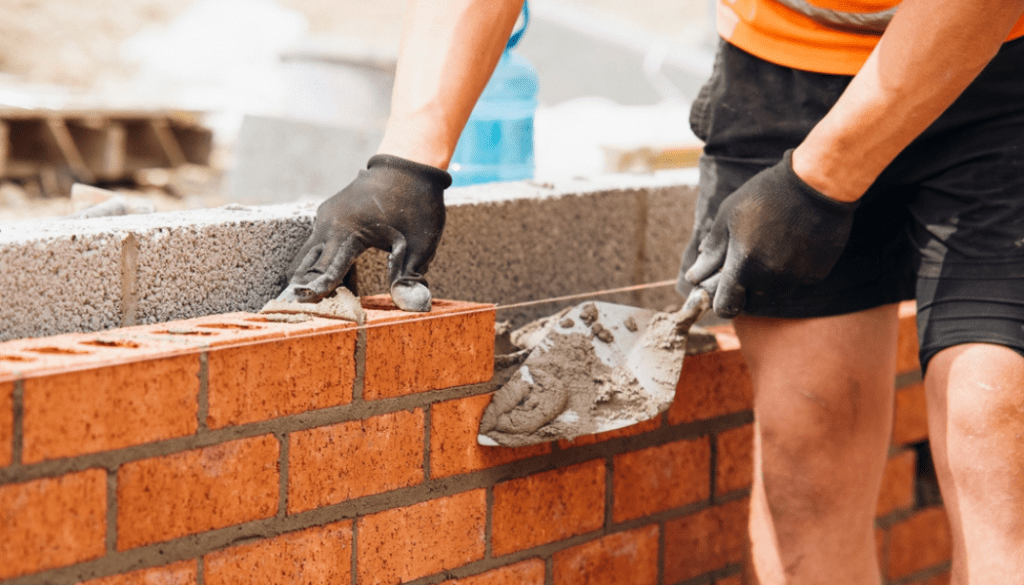
As 2024 comes to a close, building materials brands are gearing up for the opportunities and challenges of 2025. From sustainability innovations to labor-saving solutions, next year’s trends will shape how architects, builders and designers select products. Leveraging these shifts in your PR strategy can help position your brand as a leader in the industry. Here’s a look at the top building products trends for 2025 and how to potentially incorporate them into your PR campaigns.
1. Price Sensitivity and Rising Home Sales Open Opportunities
Why It Matters: Inflation and price-conscious buyers are driving demand for products that balance cost and quality. Additionally, with interest rates showing signs of stabilizing, 2025 may bring a boost in home sales. New homeowners often prioritize renovations and upgrades, creating fresh opportunities for building materials brands to promote their offerings.
How to Leverage It: Position your products as value-driven without sacrificing quality or design. Focus on messaging that resonates with budget-conscious buyers, emphasizing durability, long-term savings and versatility.
Quick Tip: Partner with real estate or home improvement influencers to showcase how your products can transform new homes without breaking the bank.
2. Made in America Becomes a Competitive Advantage
Why It Matters: With potential tariffs on imported building materials under discussion, domestic manufacturers may see increased demand. Buyers and specifiers may prioritize Made in America products to avoid cost fluctuations and shipping delays, giving U.S.-based brands a competitive edge in 2025.
How to Leverage It: Highlight your Made in America status in PR efforts, from press releases and thought leadership pieces to website copy and social media. Share stories about local manufacturing, job creation and the quality control benefits of producing domestically.
Quick Tip: Pitch to local and national media about how your company is supporting the domestic economy, especially if you can tie it to regional manufacturing or workforce development.
3. Labor-Saving Solutions Drive Demand
Why It Matters: The ongoing labor shortage is forcing contractors to adopt products that are easier to install and require less manpower. Prefabrication, modular construction and streamlined installation processes will continue to grow in popularity. Additionally, potential mass deportations could further strain the construction workforce, an industry that has traditionally relied heavily on undocumented labor. Brands that provide solutions to mitigate these challenges will be better positioned in 2025.
How to Leverage It: Highlight your products’ labor-saving benefits in case studies, testimonials or video demos. Show how your solutions reduce project timelines and help contractors work efficiently with smaller crews.
Quick Tip: Collaborate with trade publications to discuss how labor-efficient products can address challenges in a workforce under pressure. Pair this with data on productivity and cost savings to strengthen your pitch.
4. Smart Buildings Evolve Beyond Connectivity
Why It Matters: While smart technologies have been a trend for years, 2025 will see builders seeking products that integrate data-driven systems for energy management, safety and occupant comfort.
How to Leverage It: Publish thought leadership content discussing how your brand’s products contribute to smarter, more efficient buildings. Offer insights into how technology is transforming the construction process and building management.
Quick Tip: Create a downloadable whitepaper predicting the future of smart building materials and share it with media contacts and stakeholders.
5. Generational Shifts Drive New Priorities
Why It Matters: The retirement of Baby Boomers, the aging of Gen X and the rise of Millennials and Gen Z as homeowners are reshaping the housing market. Younger generations tend to prioritize affordability, sustainability and flexible spaces that align with modern lifestyles, while Boomers may look for aging-in-place solutions.
How to Leverage It: Tailor your product messaging to different generations. Highlight cost-effective, multi-functional and sustainable features for younger buyers. For older generations, focus on products that enhance safety, accessibility and long-term value.
Quick Tip: Use social media surveys or polls to gather feedback from different age groups on what matters most to them when selecting building materials or renovation products.
6. Flexible Spaces Call for Multifunctional Products
Why It Matters: The demand for versatile spaces, especially in commercial and residential construction, is increasing. Builders and designers need materials that offer durability, adaptability and aesthetic appeal.
How to Leverage It: Develop content around how your products meet these demands. Use social media to showcase projects that demonstrate versatility and real-world impact.
Quick Tip: Collaborate with design professionals to feature your products in idea houses or showcase events.
7. Net-Zero Construction Gains Momentum
Why It Matters: With regulatory pressures and climate goals driving the push for greener buildings, net-zero construction will become a priority in 2025. Builders are looking for materials that reduce carbon footprints and improve energy efficiency.
How to Leverage It: Showcase your brand’s sustainable innovations through press releases, blogs or feature articles in trade media. Emphasize certifications or partnerships that demonstrate your commitment to environmental goals.
Quick Tip: Collaborate with a sustainability expert to co-write an op-ed on the role of materials in achieving net-zero targets.
8. Wellness-Driven Design Becomes Standard
Why It Matters: As health and wellness continue to influence building design, materials that enhance air quality, natural lighting and acoustic performance will be in high demand. Builders are focusing on occupant-centered solutions that improve overall well-being.
How to Leverage It: Position your brand as a wellness leader by sharing research or studies demonstrating how your products support healthier spaces.
Quick Tip: Partner with wellness-focused organizations to co-brand content, adding credibility and reaching a broader audience.
The trends shaping 2025 are rooted in innovation, sustainability and occupant-focused design, all while navigating workforce and economic challenges. Building materials brands that align their PR strategies with these priorities can stand out as thought leaders and trusted partners. Start planning now to incorporate these trends into your campaigns, from media pitches to content marketing, and seize the opportunities ahead.